If you're planning a furniture refresh, the direction for 2027 is refreshingly livable: designers are predicting a decisive turn away from rigid, look-first minimalism toward pieces you actually want to sink into, touch, and keep. Across the expert commentary gathered for this guide, five distinct trends emerge — casual silhouettes, tactile and textured surfaces, "found luxury" and personalization, detailed and decorative elements, and biophilic natural materials. Below, I break down what each one actually looks like in a room, how to bring it home, and where it might leave you in five years. A decision framework at the end helps you match the trends to your own aesthetic, lifestyle, and long-term goals.
Embracing Comfort: Casual Silhouettes
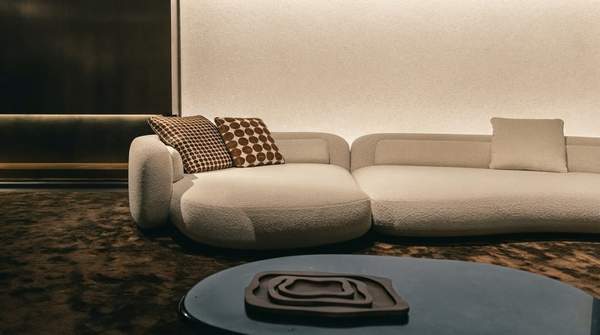
The most visible shift predicted for 2027 is structural: clean lines and rigidity are being replaced with what Homes and Gardens describes as "ultra-cool, casual silhouettes." Low-slung shapes are stepping in where traditional, formal furniture styles once dominated. In my reading of the commentary, this is less a single look than a posture change — furniture designed to be occupied rather than admired.
Designers quoted by Decorilla make the practical case explicitly: two sofas arranged across a low table outperform a single long run against a wall, because conversation needs facing sightlines and a surface everyone can reach. Game tables sized for cards have reappeared, left out permanently rather than stored away. The working range for a functional seating group is six to eight feet between facing seats; past ten, people raise their voices or give up on the conversation entirely.
To bring this trend home, start with the room's social geometry rather than its style. Pull seating off the walls, face chairs and sofas toward each other, and favor lower, softer profiles over upright, buttoned-up forms. A characterful loveseat — the kind one designer used to warm up a lacquered home-office nook — can do more for a space than another matching casegood.