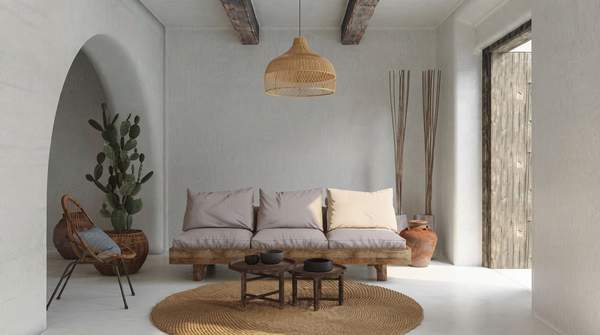
Biophilic design is an approach to architecture and interior design that intentionally strengthens the connection between people and the natural world. Far more than a passing trend of adding houseplants, it is a structured practice for creating spaces that support human well-being. Grounded in research, this philosophy translates our innate, biological affinity for nature into the built environments where we live and work. By thoughtfully integrating natural light, materials, patterns, and spatial layouts, you can transform your home into a place that is not only aesthetically pleasing but also genuinely restorative and harmonious.
The benefits of this approach are tangible, with studies showing that connections to nature can trigger positive biological responses, including stress reduction and improved cognitive function. A comprehensive framework developed by the consulting firm Terrapin Bright Green, known as the "14 Patterns of Biophilic Design," organizes these strategies into a practical tool. These patterns are grouped into three core principles that provide a clear path for homeowners to create healthier, more satisfying living spaces.
Understanding Biophilic Design: Connecting with Nature Indoors
The core idea of biophilic design is that humans have an inherent need to affiliate with nature, a concept popularized by biologist E.O. Wilson. Our modern lives, spent largely indoors, can disconnect us from the natural rhythms, materials, and sensory experiences that our minds and bodies are wired to expect. Biophilic design seeks to remedy this by consciously incorporating qualities of the natural world into our homes and other buildings.
This design philosophy moves beyond simple decoration. It is a holistic approach that considers how the entire environment affects us on a psychological and physiological level. The framework articulated by Terrapin Bright Green provides a vocabulary for these interventions, detailing relationships between nature, human biology, and the built environment. These patterns are not a rigid checklist but a set of tools for creating spaces that feel calming, engaging, and alive. By understanding the three foundational categories that these patterns fall into, you can begin to apply this powerful concept in your own home.
The Three Core Principles of Biophilic Design
To make the practice of biophilic design accessible, its various strategies are organized into three primary categories. This framework helps to structure the different ways we can experience nature within an indoor setting, from direct, tangible encounters to more subtle, indirect references. Each principle addresses a distinct aspect of our relationship with the natural world.
The three core principles of biophilic design are:
- Nature in the Space: This principle concerns the direct, physical, and often living presence of nature within an environment. It involves incorporating elements like plants, water, and dynamic natural light that you can see, hear, touch, and feel.
- Natural Analogues: This principle focuses on the indirect representation of nature. It uses non-living and organic elements, such as natural materials, objects, patterns, and forms that mimic or evoke the natural world, creating a connection through symbolism and suggestion.
- Nature of the Space: This principle relates to spatial configurations that resonate with our evolutionary history. It draws on our innate preferences for certain spatial conditions, such as having an open view from a protected place, which can create feelings of safety, comfort, and intrigue.