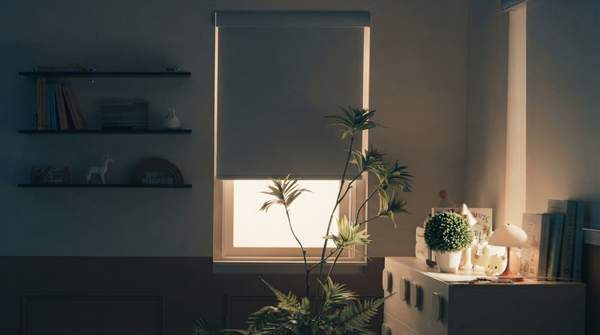
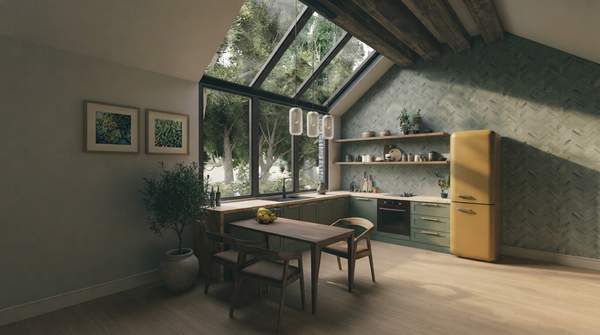
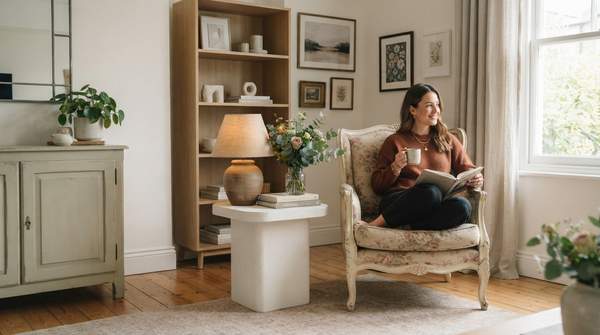
The Nancy Meyers aesthetic is really two looks wearing one name. The classic version is light and bright—blue and white, slipcovered sofas, sisal rugs, and white kitchens—the style people remember from the Something's Gotta Give set. An updated interpretation, which the design writer Andria at Food&Fabric calls "modern heritage," keeps the comfort but deepens it with darker woods, aged brass, and vintage pieces with history. This guide lays out both, explains the three principles that make either version feel "lived-in," and walks through applying your choice to a living room and kitchen.
Understanding the Nancy Meyers Aesthetic: Lived-In Luxury
What draws people to Meyers's film sets is not luxury for its own sake. Writing at Maison de Cinq, the design blogger Sheila describes the look as "elevated, yet also lived in… chic, but also casual," and "never ostentatious"—spaces that feel "cozy, inviting, and collected" and, above all, "perfectly imperfect." Jane, the writer behind jane at home, makes the same point from the viewer's side: the style "embraces all the little things that make a house feel like home—herbs on the kitchen windowsill, bowls of fruit, fresh flowers, stacks of books everywhere, cozy slipcovered furniture, casually thrown pillows, and an abundance of natural light."
Nino Russo Alesi, founder of the furnishings company Rattan Imports, frames it more simply: the aesthetic is "the intersection of style and comfort." That framing matters for your own rooms, because the lived-in quality is achieved through specific design choices rather than being an inherent property of a space. Any home can get there; it just takes deliberate layering.
Three Core Principles for a Perfectly Imperfect Home
Whichever interpretation you choose, three principles do the real work of the style.
1. Layer natural textures. Jane advises choosing "real elements, rather than faux": jute, wool, or sisal rugs rather than synthetic fibers; cotton or linen slipcovers and bedding; ceramic or terracotta planters instead of plastic. The texture mix is what keeps a neutral room from feeling flat.
2. Curate a "collected" look. The rooms read as if they were assembled over years, not purchased in an afternoon. That means stacks of books, fresh flowers, bowls of fruit, and objects that don't all match. Andria puts it directly: "Display beloved objects, even if pieces don't match."
3. Let beauty be functional. In these kitchens and living rooms, the things on display are meant to be used. Jane suggests showing off "lovely items used for cooking: a salt & pepper cellar, a marble mortar and pestle, olive oils, wood utensils and rolling pins gathered in a crock." Nothing is precious enough to hide.