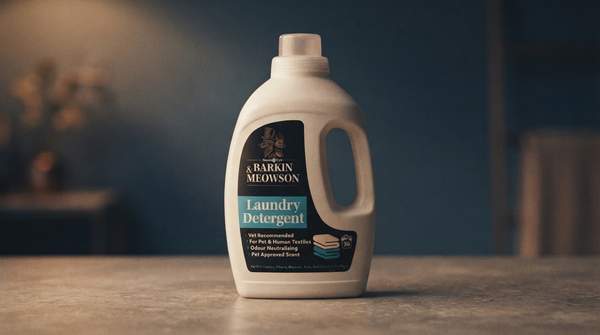
For most pets, a detergent marketed specifically for animals is more marketing than necessity — what actually matters is what's in the bottle. Veterinarian Dr. Liza Cahn, quoted by NBC Selected, puts it plainly: "Pet laundry detergent is more of a marketing term than a necessity, and most pets do not need a detergent specifically formulated for them." The real decision comes down to two questions: how sensitive is your pet's skin, and what is your primary laundry challenge — odors, stains, or hair? Answer those, and the right detergent type follows.
Understanding Your Pet's Laundry Needs
Pet fabrics accumulate a distinctive mix of soils. Tide's guidance on washing pet bedding, toys, and blankets notes that these items pick up dander, body oils, and protein-based messes — a combination that differs from typical human laundry. That difference is the entire basis of the "pet detergent" category, and it explains why the question is worth asking even if the answer is often "no."
Before choosing anything, it helps to separate the problems you're actually trying to solve. A dog bed that smells faintly of kennel presents a different challenge than a blanket covered in muddy paw prints, and both differ from a load where the real frustration is hair clinging to every fiber. Each of these maps to a different ingredient category, and none of them requires a "pet" label to address.
It's also worth noting the baseline: the CDC's guidance on cleaning and disinfecting pet supplies, as relayed by NBC Selected, recommends ordinary laundry detergent for machine-washing soft pet items and says it's fine to wash pet items with your own clothes. Specialization is an option, not a starting requirement.
Key Detergent Ingredients and Their Role
Four ingredient categories do nearly all the work relevant to pet owners. Surfactants are the primary cleaning agents in any detergent; enzyme-free products, as sofdog.com explains, clean effectively through plant-based surfactants, trading some stain power for gentleness.
Enzymes are biological catalysts that break proteins, fats, and starches into smaller pieces the wash can rinse away, according to Twin Cities Rescues — which also observes that most "pet" detergents are ordinary enzyme detergents with pet branding. Blueland adds a practical note: enzymes are engineered to work in cooler, less alkaline conditions, so enzyme-based detergents don't need hot water to be effective.
Fragrances and dyes do nothing for cleaning and carry irritation risk, which is why Tide recommends fragrance-free, dye-free detergents for pet items. Anti-static agents address a problem unique to pet households: the detergent manufacturer IKEDA explains that static electricity makes loose pet hair cling to fabrics, so anti-static performance is a formulation consideration, particularly for synthetic fabrics.