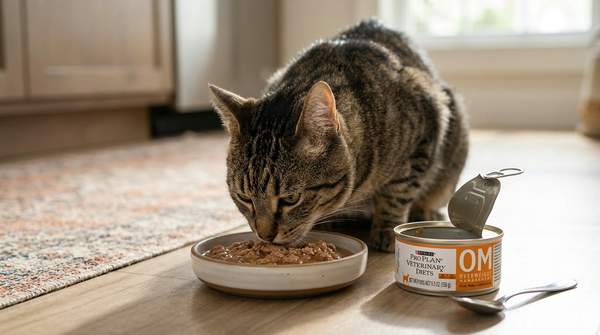
When a dog or cat's itching or digestive trouble points to food, the only reliable path to an answer is a strict elimination diet trial, and the choice of trial diet matters as much as the commitment to it. Veterinary guidance converges on two prescription options—novel protein and hydrolyzed protein diets—because over-the-counter "limited ingredient" foods carry a documented risk of undisclosed ingredients. One recent study, as described by Pet Dermatology Clinic, found that non-prescription diets changed their ingredients without updating the label roughly 40% of the time. This article lays out how the trial works, compares the three diet options, and explains why veterinarians insist on prescription formulations for diagnosis. It is informational only, not a substitute for professional veterinary advice, and it deliberately leaves aside environmental allergies and blood or saliva testing.
The Elimination Diet Trial: Your Vet's Diagnostic Approach
How, then, does a vet actually confirm that food is the culprit? The trial begins with a transition to the chosen test diet, after which the rules become absolute. Writing for Tufts University's pet nutrition site, the veterinary team explains that the test diet becomes the only food or flavored item that goes into your pet's mouth, and it stays that way for at least a month, potentially several, depending on the pet's history and the type of symptoms involved.
That strictness is where most well-intentioned owners stumble. A flavored medication, a palatable tablet hiding a pill, a shared scrap from the dinner table, or a flavored chew toy can each reintroduce the very protein the trial is trying to exclude, quietly undermining weeks of discipline. Treats, dental chews, and supplements all fall under the same rule as food, so it helps to plan substitutes with the veterinarian before the trial starts rather than improvising mid-stream.
If the pet's signs improve dramatically on the new diet, the diagnosis is not yet complete; the trial's decisive step is the rechallenge. The pet returns to the old diet, and a quick relapse is suggestive of an allergy to an ingredient in that food. The pet then goes back onto the test diet until things settle again, after which single ingredients from the old diet are reintroduced one at a time until the specific trigger is identified. It is a demanding sequence, but it is the only stepwise, confirmable route from suspicion to a named allergen—and that precision is what separates a real diagnosis from a guess.