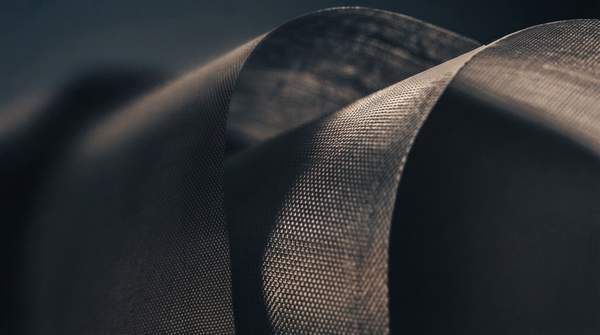
In the world of high-performance outdoor equipment, Dyneema stands out as a material prized for its exceptional strength-to-weight ratio, durability, and weather resistance. At its core, Dyneema is a brand of ultra-high-molecular-weight polyethylene (UHMWPE), a fiber that its manufacturer claims is 15 times stronger than steel by weight, yet light enough to float on water. However, the true performance of a tent, backpack, or jacket made with this material depends on its specific construction. By engineering different composite fabrics, manufacturers tailor Dyneema to deliver distinct advantages, from absolute waterproofing to enhanced breathability, allowing adventurers to choose gear optimized for their specific needs.
Understanding Dyneema: The Core Material Science
The remarkable properties of Dyneema originate from its unique molecular structure. The material is a form of polyethylene with extremely long molecular chains that are aligned in parallel. According to an explanation from outdoor retailer DutchWare, this alignment allows the fiber to handle heavy loads by transferring weight evenly along the polymer backbone. This structure is the source of its tensile strength and resistance to tearing and punctures. A report from Ultralight Outdoor Gear notes that this molecular arrangement allows the material to withstand immense force without breaking.
Beyond its strength, Dyneema fiber is inherently waterproof and does not stretch or sag when wet, a critical feature for shelters in harsh conditions. The material also exhibits significant resistance to abrasion, cuts, UV rays, and chemicals, contributing to the longevity of high-end gear. By bonding layers of these fibers together, often with a laminate film, manufacturers create Dyneema Composite Fabrics (DCF) that combine the fiber's strength with structural integrity and complete waterproofness.
Dyneema Composite Fabrics: A Performance Comparison
Not all Dyneema fabrics are created equal. The material is engineered into several distinct composite structures, each designed to optimize performance for different applications. The foundation for most of these fabrics is a core made of Dyneema fibers bonded in layers at 0° and 90° orientations, which provides fundamental strength and stability. From there, variations in construction create specialized materials for everything from ultralight tarps to durable, breathable footwear.
| Composite Type | Key Construction Feature | Primary Benefit | Ideal Gear Application |
|---|---|---|---|
| Dyneema Composite Fabrics (Standard DCF) | Layers of Dyneema fiber bonded at 0° and 90° orientation, often with an added film layer for waterproofing. | Unrivaled strength, dimensional stability, and complete waterproofness without stretching. | Tents, tarps, and backpacks where lightweight durability and weather resistance are critical. |
| Dyneema Composite Hybrids (DCH) | A Dyneema composite core bonded to a complementary non-Dyneema material, such as woven polyester or nylon. | Combines Dyneema's strength and stability with specialized attributes from the complementary material. | Gear requiring a balance of Dyneema's core properties with other characteristics like enhanced abrasion resistance. |
| Dyneema Breathable Composites | Integrates Dyneema's strength with a breathable membrane designed to optimize airflow. | Provides the durability and strength of Dyneema while allowing for moisture vapor to escape. | Apparel and footwear where both durability and moisture management are required for active comfort. |
Another advanced option is Dyneema Woven Composites. According to the manufacturer, this construction features a woven Dyneema face fabric bonded to a standard Dyneema composite core, a design that "literally doubles the Dyneema." This dual-layer structure is engineered for superior abrasion resistance and dimensional stability, making it an ideal material for high-wear items like backpacks and duffel bags intended for demanding use.
Dyneema in Action: Gear-Specific Advantages
The theoretical properties of Dyneema translate into tangible performance benefits on the trail, with different composite types excelling in specific gear categories.
For tents and tarps, standard Dyneema Composite Fabric is a premium choice. Its fully waterproof nature and high tear resistance offer durable protection in harsh weather. Crucially, the material does not sag or stretch when it gets wet, ensuring a taut pitch and reliable shelter through rain and changing humidity. These qualities allow for the creation of ultralight yet robust shelters that can withstand challenging conditions.
In backpacks and bags, Dyneema composites contribute to gear that is lighter, stronger, and more resistant to cuts and abrasion. The material's inherent strength helps packs endure the stress of heavy loads and rough handling. For applications demanding maximum durability, Dyneema Woven Composites provide exceptional abrasion resistance, protecting against friction from rocks and repeated use.
When it comes to apparel and footwear, Dyneema Breathable Composites offer a blend of durability and comfort. These fabrics provide the strength needed for high-wear areas while allowing for breathability, a key feature for active pursuits. According to Dyneema, even articles of clothing with as little as 5% Dyneema fiber show significant improvements in tear strength and abrasion resistance. This allows for the design of lightweight trail running shoes and jackets that are both tough and comfortable.
Making an Informed Choice: Assessing Dyneema's Value
When evaluating premium outdoor gear, consider the specific Dyneema composite construction used, as it directly dictates the balance of strength, weight, waterproofing, and breathability for the intended application. An ultralight tarp and a rugged backpack may both be made with Dyneema, but the underlying fabric technology is likely very different. Understanding these distinctions allows for a more informed assessment of a product's value and its suitability for your adventures.
A key factor in this assessment is the presence of specific Dyneema composite designations (e.g., DCF, DCH, Breathable Composite, Woven Composite) in product descriptions, indicating tailored performance. By looking for these details, consumers can move beyond the general appeal of the Dyneema brand and select equipment engineered with the precise material characteristics needed to excel in the field.
Sources
- Outdoor gear — Dyneema
- What Is Dyneema® and Why Is It Awesome? — DutchWare
- Dyneema Composite Fabric Explained — Ultralight Outdoor Gear
- Dyneema: Dyneema Composite Fabrics (DCF)
- Dyneema: Dyneema Woven Composites
- Fabric Construction Guide — Dyneema
- Design for Sports and Consumer Products — Dyneema