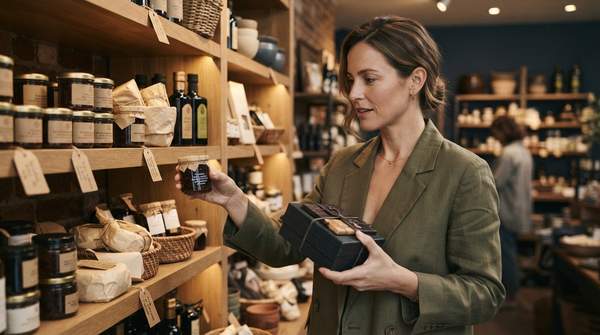
What was once a mundane holiday necessity has evolved into a deliberate and celebrated travel activity. Known as grocery store tourism, the practice of intentionally visiting local supermarkets and food markets is gaining significant traction as a form of cultural exploration. According to a 2026 Hilton Trends Report, 77% of travelers enjoy visiting grocery stores abroad, and Condé Nast Traveller identified it as one of the year's biggest travel trends. This shift reflects a deeper desire among travelers to find authentic experiences beyond curated tourist attractions, transforming the humble supermarket aisle into a vibrant destination in its own right.
The Allure of the Aisle: Why Travelers Seek Out Supermarkets
The growing appeal of grocery store tourism is rooted in a search for authenticity and a deeper connection to a place. Unlike traditional sightseeing, a local grocery shop offers a raw, uncurated glimpse into the daily lives of a community. Curation Edit, a lifestyle publication, notes that travelers who practice this trend choose a supermarket with the same intentionality they might a gallery, seeking a sharper understanding of how locals eat, spend, and live. This pursuit of the real over the staged acts as a powerful counterpoint to what some see as the "blandification of global culture," where cafes and hotels can look the same from one city to the next. A local supermarket, in contrast, remains distinct.
The trend is also driven by accessibility and economics. While a Michelin-starred meal may be out of reach for many, almost anyone can afford to fill a basket with local snacks and unusual ingredients. This makes grocery store tourism an antidote to global travel inflation, allowing for culinary discovery on a sustainable budget. The rise of holiday rentals has further fueled this behavior, turning the "live like a local" ethos into a tangible practice. Exploring a supermarket provides a voyeuristic peek into a culture, much like being in someone's home but without the social intrusion.
Social Media's Role in the 'Shelf Discovery' Trend
The phenomenon of supermarket shopping abroad has been significantly amplified by social media. On TikTok, for instance, posts related to "grocery store travel" have garnered over 50 million views, with users eagerly sharing their finds and framing the activity as a rich cultural experience. These digital dispatches from the aisles—showcasing uniquely flavored Kit Kats from Japan or colorful tins of sardines from Portugal—inspire others to add local markets to their own itineraries. This online sharing transforms a personal discovery into a collective trend, validating the supermarket as a worthy travel destination.
This digital buzz, as one travel writer for Time Out observed, has been popular far longer than the social media platforms that now celebrate it, gaining momentum with the popularity of services like Airbnb. The sharing of these experiences online, however, has cemented the activity's status. It represents what one expert called a "democratisation of travel exploration, where everyone can participate and share their findings." This accessibility is key to its charm; it is a travel experience that is both universal in its nature and unique in its local details.
A Framework for Your Grocery Store Adventures
Grocery store tourism is not a single activity but a spectrum of approaches tailored to different travel styles and goals. Understanding these distinctions can help travelers engage with the trend in a way that is most meaningful to them. The following framework categorizes the primary types of grocery store tourists, their motivations, and the kinds of establishments they are likely to visit.
| Traveler Type | Primary Goal | Typical Destination |
|---|---|---|
| The Everyday Explorer | To gain an authentic understanding of local life, daily routines, and cultural norms through observation. | Standard, local supermarket chains where residents do their weekly shopping. |
| The Souvenir Hunter | To find unique, practical, and transportable mementos that represent the flavor of the destination, such as spices, condiments, or packaged snacks. | Any market or store that stocks regionally specific products and pantry staples. |
| The Budget Gourmand | To experience local culinary traditions and discover new foods in an affordable way, often as a strategy to offset rising travel costs. | Local grocery stores used for assembling picnics, preparing meals, or sampling regional products without the cost of a restaurant. |
| The Destination Shopper | To visit specific, iconic food halls or luxury grocery stores that have become tourist attractions in their own right due to their history, architecture, or unique offerings. | Renowned establishments like Fortnum and Mason in London or Finnish K-Supermarket branches listed on Tripadvisor. |
Practical Tips for Your Next Culinary Expedition
Embracing grocery store tourism on your next trip is simple. For the most authentic experience, one writer for Yahoo suggests targeting the exact grocery chains that locals rely on for their weekly staples, rather than specialty markets that may cater to tourists or expatriates. Once inside, the best strategy is to let curiosity be your guide. Wander the aisles without a specific list and see what catches your eye, whether it's an unfamiliar vegetable, a wall of local yogurts, or a brand of potato chips with intriguing flavors.
These stores are also treasure troves for some of the best travel souvenirs—practical items that allow you to bring the flavors of your trip home. Look for local spices, unique pepper flakes, or regional pantry staples that can be easily packed. Even the shopping bag itself can become a memento. As one travel writer noted, carrying a beautifully designed supermarket bag from a foreign city has become a subtle badge of honor, a signal that you didn't just visit a place, but truly experienced it.
Embarking on Your Culinary Journey
Ultimately, visiting a supermarket abroad is more than just an errand; it is an accessible, affordable, and deeply insightful way to connect with a new place. It offers a direct lens into the rhythms of daily life and the flavors that define a culture, away from the well-trodden tourist path. By understanding the different ways to approach this activity, readers can confidently incorporate grocery store visits into their travel itineraries, choosing an approach that aligns with their personal interests and travel goals.
The success of such an excursion is not measured by a checklist of items but by the experience itself. The reader actively seeks out local grocery chains or specialty markets in a new destination, exploring aisles without a fixed list, and identifying unique local products. This simple act of "shelf discovery" can yield some of the most memorable and authentic moments of any journey.
Sources
- What Is Grocery Store Tourism? Inside the Travel Trend Everyone Is Talking About — Curation Edit
- Why travellers are obsessed with foreign supermarkets — BBC
- Why we love supermarket shopping abroad — Time Out Worldwide
- The hottest new travel destination is ... the grocery store? Don't know it till you try it — Yahoo