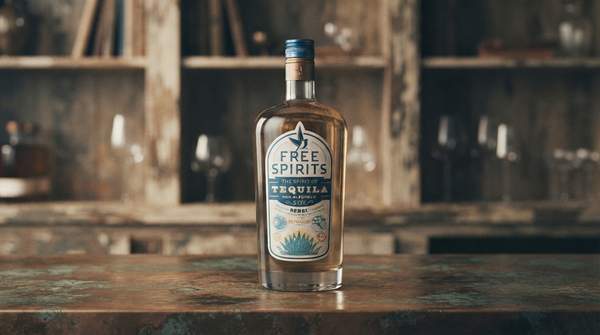
Non-alcoholic spirits are made through three main scientific pathways: dealcoholization, which removes alcohol from a fully finished spirit; direct flavor building, which extracts botanicals into a non-alcoholic base from the start; and hybrid methods that use alcohol as an extraction tool before removing it, or produce concentrated flavors through unconventional distillation. The central problem uniting all three is that ethanol is not merely the intoxicant in a traditional spirit—it is also the solvent that carries flavor, the texture that coats the tongue, and the burn that signals strength. Recreating that experience without it is, as an International Bulk Wine & Spirits Show webinar on the category put it, "far more complex than simply removing the alcohol."
Dealcoholization: Removing Alcohol While Preserving Flavor
The first pathway begins with a genuine alcoholic spirit. Botanicals are distilled in the traditional way, and the resulting liquid is then filtered or processed to bring its alcohol content below legal limits. As the producer ANON Drinks explains, some non-alcoholic spirits are simply "distilled botanicals that have been filtered to remove alcohol"—the flavor architecture is built first, in the presence of ethanol, and the ethanol is subtracted afterward.
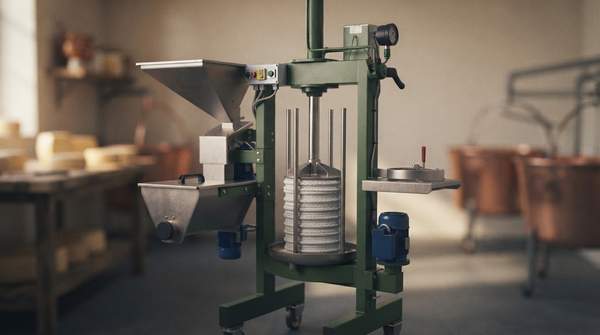
The scientific difficulty lies in what subtraction takes with it. Alcohol and aroma are chemically entangled: many of the volatile compounds that give a spirit its character travel with the ethanol during separation. This is why dealcoholization technology is closely tied to aroma recovery, the effort to capture those escaping volatiles and return them to the finished liquid. Writing in SevenFifty Daily, beverage journalist Jacopo Mazzeo notes that some producers, such as Spiritless, do involve distillation and dealcoholization processes, and that such products are designed to replace actual spirits in non-alcoholic cocktails—though they cannot legally be labeled as the full-strength categories they imitate.
The trade-off is structural. Dealcoholization offers the authenticity of a real distillate, but every step of removal risks stripping the delicate top notes that define the original. The method succeeds or fails on the quality of its separation and recovery technology, which is why higher-volume projects in this space are often handed to specialized beverage developers rather than attempted on ordinary stills.