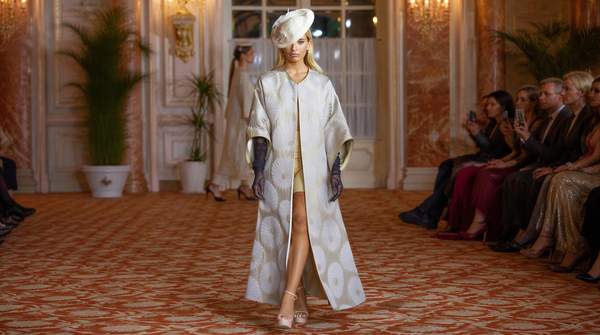
Prada, traditionally a Thursday afternoon fixture, will now open Milan Fashion Week for S/S 2027, a strategic reshuffle among luxury giants that sets the tone for Fashion Month 2026 and beyond.
The Fashion Month calendar often appears routine, a predictable global rotation. Yet, major luxury houses are strategically disrupting established slots, transforming the schedule into a calculated battleground for maximum impact.
The upcoming Fashion Month will thus be defined by heightened competition for attention and a redefinition of traditional show hierarchies, as brands fiercely vie for narrative control.
S/S 2027: The Calendar Shake-Up
The S/S 2027 schedule is already revealing seismic shifts, with power players staking new claims:
- Prada opens Milan Fashion Week for S/S 2027, abandoning its traditional Thursday afternoon slot (Wallpaper*).
- Louis Vuitton is slated to close Paris Fashion Week (Wallpaper*).
- McQueen returns to London for its S/S 2027 men's and womenswear collections on September 20 (Wallpaper*).
- Thom Browne plans to show in New York (Wallpaper*).
Fall 2026: The Enduring Appeal of Versatility
Fall 2027 trends fuse summer favorites with reimagined classics. Plaid skirts will be a standout, echoing the preppy aesthetic from recent fall/winter runways (Women.com). Slip-style skirts and dresses in silk and satin, summer mainstays, will persist year-round (Women.com). A blend of classic autumnal patterns and continued summer staples demonstrates a consumer demand for versatile, investment-worthy pieces that defy seasonal boundaries.
Fashion Month: A Strategic Battleground
Luxury houses aren't just participating in Fashion Month; they're actively manipulating the schedule for peak visibility. Prada's unprecedented Milan opening proves even titans abandon tradition, weaponizing their influence to seize prime visibility and dictate the season's mood. Brands like McQueen returning to specific cities, such as London, re-evaluate geographical influence. This isn't nostalgia; it's a calculated move to reinforce a brand's heritage connection to a fashion capital. Such strategic placement by powerhouses like Prada and Louis Vuitton isn't merely showcasing collections; it's an overt attempt to dominate the narrative and potentially dictate overarching trends.