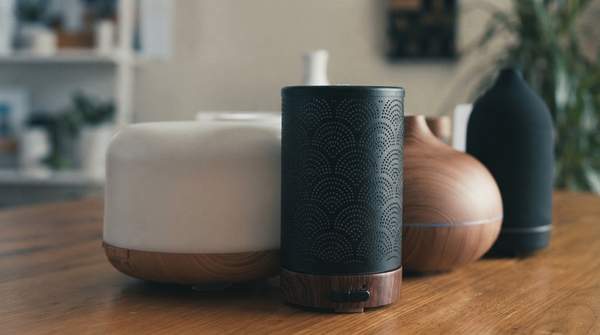
The best essential oil diffuser for your home depends on one physical question: how does the device get oil into the air? Ultrasonic diffusers vibrate a water-and-oil mixture into a cool mist, nebulizing diffusers blast pure oil into tiny droplets with pressurized air, and evaporative diffusers push air through an oil-soaked pad. Those mechanisms, not marketing, determine how strong the scent is, how fast your oil bottle empties, and how much cleaning the device demands.
Understanding Essential Oil Diffusers: A Functional Overview
All three of the main non-heat diffuser types pursue the same goal—releasing aromatic compounds into indoor air for scenting and aromatherapy—by different physical routes. As the contributors to EssentialOils.Wiki note, effectiveness varies with room size, ventilation, diffuser type, oil choice, placement, and usage patterns, so no single design wins everywhere. What we can say with confidence is that each dispersion method produces predictable trade-offs in aroma concentration, oil consumption, and maintenance. Heat-based diffusers, which gently warm oils, are a simpler category we set aside here to focus on the three dominant non-heat approaches.