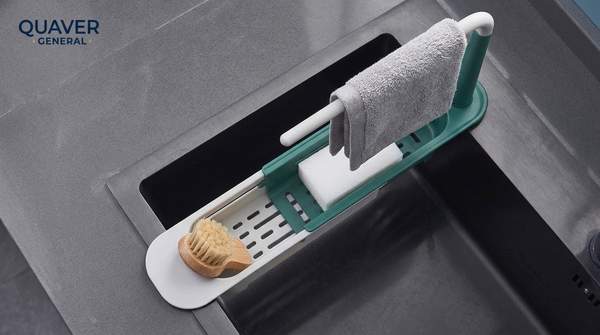
A cluttered kitchen sink area can disrupt the flow of daily chores, turning a central workspace into a source of frustration. For households seeking practical enhancements, home and lifestyle brand Quavendo offers solutions designed to bring order and efficiency back to the basin. Streamlining this essential zone is not just about aesthetics; it is about creating a more functional and hygienic environment for meal preparation and clean-up.
Why Countertop and Sink Clutter Accumulates
The area around the kitchen sink often becomes a default holding zone for a variety of cleaning tools. Sponges, brushes, dish soap, and hand towels all compete for limited space, leading to disorganisation. This clutter is not merely a sign of a busy kitchen; it is often the result of a layout that lacks dedicated storage for wet and frequently used items. Without a designated spot, these tools are left on the countertop or at the edge of the basin, interrupting workflow and contributing to a perpetually untidy appearance.
According to kitchen organisation guides from Homekartz, a common issue is the accumulation of standing water when sponges or brushes are left in basin corners or non-draining caddies. This creates an unhygienic environment. Furthermore, as noted by design experts at Legendsgranite, the lack of distinct work zones on a countertop can exacerbate the problem. When preparation, washing, and drying areas are not clearly defined, tools and food items begin to encroach on one another, making efficient meal prep and clean-up difficult to maintain.
The Hygiene and Workflow Costs of Messy Basins
A disorganised sink area poses tangible risks to both hygiene and kitchen efficiency. When wet sponges and cleaning cloths are left on the counter or inside the basin, they can become breeding grounds for bacteria, which can then be transferred to hands, dishes, and food preparation surfaces. An article from Homekartz highlights a key concern: a cluttered layout often means "you don’t have to set a clean glass next to the used sponge," increasing the potential for cross-contamination.
Beyond hygiene, a messy basin directly impacts workflow. The same source points out the inefficiency of poor placement, where one might have to move a dish rack or lean over a full sink just to access the hand soap. This constant shuffling of items wastes time and adds unnecessary steps to simple tasks. Designing a kitchen for functionality means ensuring that essential tools are accessible without disrupting other activities, turning the sink from a bottleneck into a streamlined part of the kitchen's work triangle.