For most home growers, a full-spectrum LED is the best all-around grow light: it delivers the highest energy efficiency, the lowest heat output, and the longest lifespan of the three common technologies, at the cost of a higher upfront price. If you are starting seeds or working with a tight budget, T5 fluorescent fixtures can fill the gap until you are ready to upgrade, while HID lights remain the high-intensity option for large-scale flowering setups. The right choice ultimately depends on what you are growing, how much heat your space can absorb, and how the upfront cost compares with long-term operating costs.
Understanding Grow Light Essentials: Spectrum, Intensity, and Efficiency
Two characteristics matter more than any brand name when evaluating a grow light: intensity and quality. Intensity determines how much usable light reaches the plant, while quality — the spectral composition — refers to the mix of wavelengths the light emits. Some grow lights emit predominantly red or blue light, while others give you control over which portions of the spectrum are delivered.
These factors vary not only between the major light types but also between individual models within each category, as the University of Georgia's DeKalb County Extension notes. That means the technology you choose is only the first decision; the specific fixture still needs scrutiny. Low-intensity lights must be positioned extremely close to plants, and even then can result in elongated stems, thin leaves, and yellowing — a sign the plant is not getting enough usable light.
LED Grow Lights: The Modern Choice
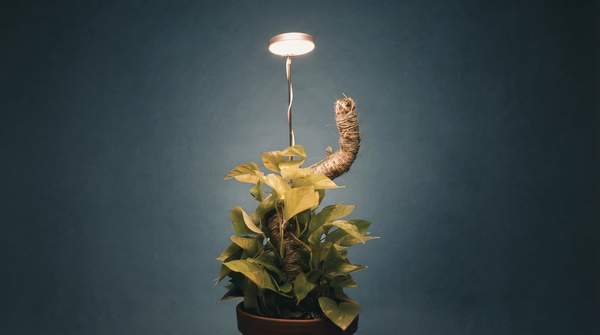
LEDs are the newest of the three technologies and, according to lighting retailer 1000Bulbs, offer the best balance of performance, efficiency, and ease of use for most home growers. Their defining advantage is efficiency: LED grow lights consume up to 50% less energy than HID and fluorescent lights, which lowers electricity costs, especially when lights run for extended periods.
Heat is the second advantage. Unlike older lighting types, LEDs produce low heat and do not require additional cooling systems to keep an indoor garden from overheating. They also last far longer — typically 50,000 hours or more — reducing the frequency and cost of replacements. The trade-off is upfront cost: LED fixtures are generally the most expensive to buy, though lower operating costs offset that over time. Because LED technology can closely replicate sunlight, a single full-spectrum fixture can serve all types of plants, from seedlings through flowering.