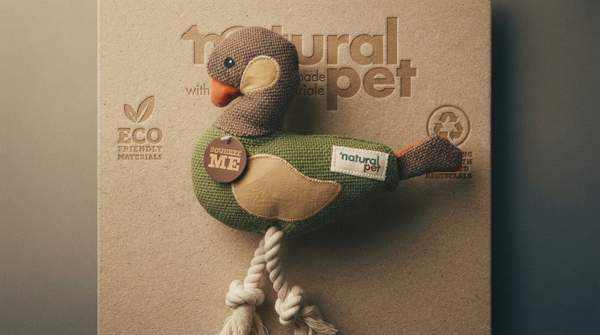
The most sustainable pet product is not the one with the greenest packaging—it is the one whose material, construction and lifespan genuinely fit how your pet will use it. We compared the common materials behind "eco-friendly" pet products, from stainless steel to bamboo, and the honest answer is that every one of them carries a real trade-off. What conscious pet owners can do is learn to read those trade-offs and match them to the job at hand: durability for a chew toy, cleanability for a food bowl, renewability for a scratcher.
Introduction: Beyond "Eco-Friendly" Labels
Shoppers are increasingly skeptical of vague green claims, and that skepticism is warranted. Reporting from the Pet Sustainability Coalition notes that consumers are looking beyond generic "eco-friendly" labels to evaluate whether sellers maintain clear sourcing standards and transparency. The same article describes how marketplace founders Jennifer Roberge and Laura Dolgy were struck, when choosing products for a new puppy and kitten, by how many pet items contained plastic and less desirable materials—an experience that pushed them toward curating around values like zero waste, upcycled and recyclable goods.
The lesson for the rest of us is not to trust a label but to interrogate it. A material can be renewable yet short-lived, recycled yet still plastic, natural yet chemically processed. The environmental question is always comparative: compared with what, over what lifespan, and ending up where?
Understanding Common Eco-Friendly Pet Product Materials
A material guide published by EcoFurball, which assembled the comparison we draw on throughout this article, frames the issue with a useful rule: compare material, construction and expected lifespan together. Each common "eco-friendly" material earns that description in one dimension while conceding ground in another.
Stainless steel is very durable, washable, corrosion-resistant and widely recyclable, but energy-intensive to manufacture—and coatings, rubber rings and resin exteriors can complicate the finished product. Hemp and organic cotton are renewable fibres suited to woven toys and webbing, yet they can absorb moisture, fray or wear, and farming and processing claims still need evidence. Natural rubber is flexible and derived from a renewable tree crop, but it is not automatically biodegradable in a finished toy, since additives and sourcing vary. Recycled polyester and nylon use recovered synthetic feedstock and can be highly durable, but they remain plastic, may shed microfibres and are rarely home-recyclable as finished pet products. Bamboo, wood and cork come from renewable feedstocks, but "bamboo" can mean composite plastic or viscose—very different materials.