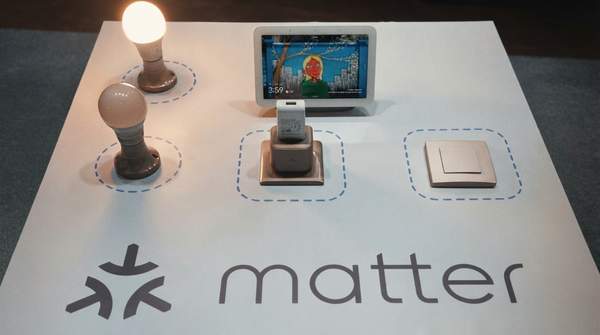
An "AI gadget" is a consumer hardware device whose core value comes from artificial intelligence — not a screen, sensor or app, but the ability of the device to process language, learn from data and act on your behalf. Apple, Amazon and Microsoft all announced new devices in a single week in October 2026 aimed at bringing generative AI into the home, according to reporting by CNBC's Kif Leswing, Annie Palmer and Jordan Novet. But the category is broader than smart speakers: it spans wearable recorders, health monitors, AI-upgraded PCs and phones, and handheld agents like Meta's Muse Charm. This guide defines the category, explains the technology behind it, and offers a framework for judging whether a device delivers real utility or just marketing.
What Defines an 'AI Gadget'?
The distinction between an ordinary smart device and an AI gadget comes down to the depth of AI integration. Market analysis from Statista describes AI as "the brains powering the next generation of consumer technology" — not a feature bolted onto a product, but the mechanism that defines what the product does. An AI smartphone that redefines photography, communication and real-time language translation is a different class of device from a phone that merely runs apps.
The current wave traces directly to the launch of ChatGPT in 2022, which CBS News reporter Mary Cunningham describes as spawning a range of "intelligent" consumer products, from bag charms and smart speakers to digital work badges. What separates these from earlier smart devices is generative capability: the ability to produce language, plans or actions rather than simply respond to preset commands. This distinction rests on the level of AI integration described in market analysis and general AI definitions, not on any industry-standard certification — no such official taxonomy exists for the category yet.
It is also an early-stage market. IDC analyst Jitesh Ubrani told CNBC that the current push is "really about getting devices into consumers' hands, into consumers' homes, slowly teaching them how to use it, and getting feedback from them." In other words, companies are using this generation of gadgets to lay groundwork for more aggressive launches in coming years, meaning buyers today are effectively early adopters.