The difference between a bright, citrusy light roast and a smoky, bittersweet dark one is not a matter of quality or strength—it is chemistry, unfolding in stages inside a drum of heat. As coffee roasts, acids degrade, sugars caramelize, and the Maillard reaction builds hundreds of new flavor compounds. The practical rule that emerges is simple: the darker the roast, the lower the acidity and origin character, and the greater the body and roasted flavor. Understanding why that progression happens lets you choose the roast that matches your palate rather than guessing at labels.
The Roasting Journey: From Green Bean to Flavorful Brew
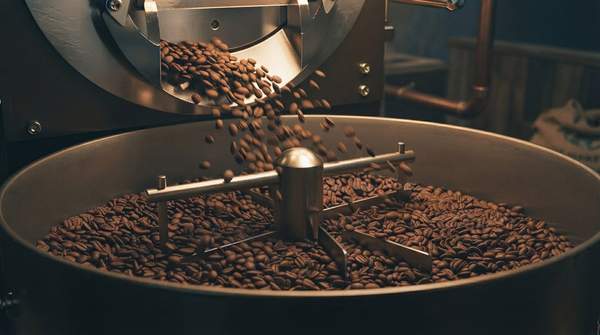
A green coffee bean is a dense, pale seed with little of the aroma we associate with coffee. Roasting transforms it through overlapping stages. First comes the drying phase, in which the beans absorb heat, lose moisture, and shift from green to yellow as they prepare for the chemistry ahead. Then the Maillard reaction begins: amino acids and reducing sugars react, browning the bean and generating complex aromas and flavors. Pressure builds inside the bean until it expands and cracks audibly—the "first crack"—marking the point at which substantial physical and chemical change has already occurred.
After that crack, roasters enter the development phase, the final portion of roasting where they deliberately steer acidity, sweetness, body, and roast character. Because these stages overlap and different roasting profiles produce different results, the same green coffee can taste strikingly different at different roast levels: a lighter roast might emphasize citrus, floral aromas, and lively acidity, while a darker roast of the identical beans shifts the balance toward chocolate, toasted flavors, and pronounced roast character. Neither profile is inherently superior, as Pesado 58.5's roasting guide puts it—the goal is to understand how roasting changes the bean's expression and choose accordingly.
Key Chemical Reactions: Maillard and Caramelization
Two reactions do most of the flavor work. The Maillard reaction, occurring between amino acids and reducing sugars, is responsible for the bean's browning and the development of complex, savory, nutty, and chocolatey flavors. It is a complex chemical process that creates hundreds of new flavor compounds, which is why roasted coffee bears little aromatic resemblance to its green precursor.
Sugar caramelization runs alongside it, as the sugars within the bean brown and break down. This process contributes sweetness and body to the cup, but it also drives the degradation of acids—so as caramelization deepens, overall acidity falls. Push roasting further still and pyrolysis, the thermal decomposition of organic compounds, becomes dominant in darker roasts, creating bitter and smoky notes that largely mask the original bean characteristics. Each roast level is essentially a snapshot of where along this chain of reactions the roaster chose to stop.
Coffee Roast Levels: Chemical Transformations and Sensory Outcomes
The model below maps each roast level to its dominant chemistry and the sensory consequences you taste in the cup. Reading down the columns reveals the systematic pattern: increasing roast level decreases acidity and origin character while increasing body and roasted flavors.
| Roast Level | Key Chemical Process | Resulting Acidity | Resulting Body | Dominant Flavor Notes |
|---|---|---|---|---|
| Light (stopped shortly after first crack) | Initial Maillard reaction and sugar caramelization, halted early; hundreds of new compounds already formed | High—retains most original acidity, bright in character, since acids degrade only as roasting progresses | Lighter and more delicate; body increases with roast progression | Delicate, fruity, or floral notes preserving original bean characteristics, from compounds developed in early roasting stages |
| Medium (after first crack, before second) | Maillard reaction and caramelization well-developed; longer development than light roasts | Reduced versus light roasts, contributing to balance, as acids degrade with rising temperature and time | Fuller than light roast, with increased body resulting from sugar caramelization | Balanced profile with caramel, chocolate, or nutty notes from compounds developed during the Maillard reaction |
| Dark (at least to second crack) | Pyrolysis dominant; bean structure breaks down further, releasing gases and natural oils that migrate to the surface | Low—acidity continues to decline and origin clarity decreases | Heavy, aided by surface oil migration | Bittersweet dark chocolate and smoky notes; sweetness begins to decline as roasted character dominates |
Two caveats keep this model honest. These flavor descriptions are general profiles that can vary with the coffee's origin and processing, and roasting involves far more chemistry than the handful of reactions summarized here—this table captures the dominant drivers, not every pathway.
Light Roasts: Bright Acidity and Origin Flavors
A light roast is stopped shortly after first crack, when the beans have expanded and released steam but before the deeper chemistry has time to erase what makes the bean itself distinctive. Because acids begin to degrade only as roasting progresses, the light roast retains most of its original acidity—Verena Street's roast guide lists light roasts at roughly 385–405°F with high acidity, a dry surface, and high density. The cup that results is delicate and often fruity or floral, preserving the original bean characteristics through compounds developed during those early roasting stages. If what excites you is the taste of where the coffee came from—its origin clarity—light roasts are where that expression lives most vividly.
Medium Roasts: Balanced Sweetness and Body
Medium roasts continue development after first crack but stop before second crack, giving the Maillard reaction and caramelization time to mature. The result is a cup pulled toward equilibrium: acidity is reduced compared with light roasts because acids degrade as temperature and roasting time increase, while body grows fuller, with that increased body a direct result of sugar caramelization. The flavor notes shift accordingly, toward caramel, chocolate, or nuts—compounds developed during the Maillard reaction rather than inherited from the green bean. For drinkers who want sweetness and structure without sharpness or smoke, this middle ground is where the chemistry naturally lands.
Dark Roasts: Bold Bitterness and Roasted Notes
Dark roasts are taken at least to the start of second crack, a higher-pitched sound that occurs as the beans' structure breaks down further, releasing gases and natural oils that migrate to the surface. Here pyrolysis takes command: the thermal decomposition of organic compounds creates bitter and smoky notes that largely mask the original bean characteristics. Sweetness begins to decline as flavors of bittersweet dark chocolate and smoky roast character develop, and acidity continues to fall while bitterness potential rises. The trade-off is stark and deliberate—you surrender the origin's voice in exchange for boldness, weight, and the unmistakable signature of the roast itself.
Caffeine Content and Brewing Adjustments by Roast Level
The most persistent myth in coffee is that dark roasts are "stronger" in caffeine. They are not. Caffeine is stable at roasting temperatures, and the variation between light and dark roasts is typically under 5 percent; brewing method, dose size, and water ratio influence caffeine far more than roast level does. An 8-ounce cup of drip coffee typically contains 80–120 mg of caffeine regardless of roast. One nuance from Current Crop's roasting science guide: because darker roasts lose more mass during prolonged roasting, they carry slightly less caffeine per roasted bean by weight—so a light roast may actually deliver marginally more. If you want more caffeine, adjust your dose rather than your roast.
Roast level does change how coffee extracts, and your brewing should follow. Light roasts are denser and resist extraction, so they benefit from a slightly finer grind, a higher water temperature between 200–205°F, and a longer extraction time. Dark roasts extract faster and do better with a slightly coarser grind, water between 195–200°F, and careful timing to avoid bitterness. Matching grind and temperature to roast is what turns good beans into a balanced cup.
Choosing Your Roast: A Flavor-Driven Decision
Select a coffee roast level—light, medium, or dark—based on a clear understanding of how chemical changes during roasting affect acidity, body, sweetness, and bitterness, aligning with your personal taste preferences. If you prize bright, fruity acidity and origin character, stop early in the development window; if you want caramel sweetness and fuller body, choose a medium development; if you crave smoky, bittersweet weight, go past second crack. The measurable indicator of success is this: the reader consistently chooses coffee roasts that match their desired flavor profile and can articulate the chemical reasons for those preferences. When you can explain your next bag of beans in terms of Maillard development, caramelization, and acid degradation—and brew it with the grind and temperature its roast level demands—the chemistry has done its job.