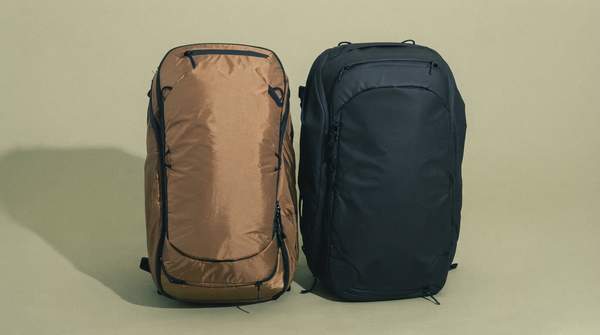
The right travel organizer system isn't the most expensive one — it's the one whose features and fabrics match how you actually travel. A compression cube that saves a carry-on traveler a checked-bag fee is dead weight for a weekend road tripper; a hanging toiletry kit that transforms a hostel bathroom is useless in a hotel with ample counter space. This guide maps the four main organizer types, the material trade-offs behind their price tags, and the combinations that suit business, adventure, and family travel styles.
Introduction: The Art of Organized Travel
Two packing problems haunt nearly every traveler, according to Eagle Creek, an outfitter that has built its business around packing systems: fitting everything into the suitcase, and keeping it organized once you arrive. Packing cubes and compression bags are its answer to both — a way to compartmentalize the chaos so that a suitcase functions less like a void and more like a chest of drawers that travels with you.
Travelpro, a luggage maker whose organizer range spans toiletry bags to tech pouches, frames the same promise in plainer terms: organizers keep belongings neatly arranged and easy to find while reducing clutter and maximizing suitcase space. The category has matured well beyond simple zippered squares. Market analysis from IndexBox notes that clear toiletry bags are growing in popularity specifically for airport security compliance, and that sustainability claims — PVC-free materials, recyclable packaging — have become baseline expectations for premium products. In other words, the choice now involves function, fabric, and footprint.
Understanding Travel Organizer Types
Four categories cover most packing needs, and each solves a distinct problem. Packing cubes compartmentalize clothing and soft items within luggage; Eagle Creek notes they're designed to fit various luggage types, including duffel bags, so a cube system can migrate between bags as your travel changes. Compression cubes and bags go further, using a second zipper to squeeze air out of soft items and reduce their volume — the tool of choice when capacity, not organization, is the binding constraint.
Toiletry bags corral personal hygiene items, and their design has adapted to modern travel: clear designs ease security screening, hanging hooks turn any door or rod into a bathroom shelf, and coated linings contain spills. Tech organizers, meanwhile, secure the tangle of cables, chargers, and small devices that accompanies modern travel; gear reviewers at Pack Hacker treat them as essential components of a carry-on kit alongside bags and clothing. Eagle Creek rounds out the category with caddies, pouches, and organizers for small accessories, makeup, and jewelry — the connective tissue of a complete system.
Travel Organizer Comparison Framework
The table below maps each organizer type to its primary function, best-fit scenario, and the features and materials that matter most. Use it to shortlist the two or three types your next trip actually demands before comparing individual products.
| Organizer Type | Primary Function | Ideal Use Case | Key Features to Look For | Material Considerations |
|---|---|---|---|---|
| Packing cubes | Compartmentalize clothing and soft items within luggage | Any multi-day trip; family packing in large duffels or rolling luggage | Mesh tops for visibility, grab handles, ID windows, varied sizes for a full set | Lightweight ripstop nylon keeps the set's added weight low |
| Compression cubes/bags | Reduce volume of soft items to maximize space | Carry-on-only trips, long trips in small bags | Compression zippers that squeeze out air; smooth-gliding, durable zips | Higher-denier fabric withstands the extra stress of compression |
| Toiletry bags | Store hygiene items with spill control and easy access | Any trip with liquids; hostel and shared-bathroom travel | Hanging hook with reinforced anchor, clear panels for security, wipe-clean interior | Coated, water-resistant lining to contain leaks |
| Tech organizers | Secure cables, chargers, and small devices | Business travel, gadget-heavy carry-ons | Dedicated compartments, elastic loops, removable dividers | Structured shell so the pouch keeps its shape when half-empty |
Two material caveats apply across every row. First, denier — the yarn weight measure — tracks robustness within one construction: the Rootsmen product development team places 70D and 210D as light shells, 420D and 600D as workhorses, and 1680D as luggage-grade. Second, comparing a 210D ripstop nylon against a 600D recycled polyester is a weight comparison, not a material comparison; fix the denier first, then judge the fabric.
Key Features and Material Trade-offs
The features that fail first are rarely the ones advertised. Joybuy's buying guide identifies thin fabric that tears at the seams and weak zippers as the most common reasons organizers prove useless after a few trips — the quiet failures that turn a bargain into a repeat purchase. The Rootsmen team, writing from a product development perspective, is blunter about hanging toiletry kits: "The hook is often the first thing to fail in reviews." Their prescription is a metal or moulded hook, a reinforced anchor point with bar-tacking or a backing patch, and a loaded hang test during sampling.
On fabric, the trade-offs are real but often misread. Ripstop is a weaving technique, not a single textile, as Softline Brand Partners explains — heavier reinforcement threads woven in a grid stop small tears from spreading, and it's available in low weights that stay strong, which matters when a cube set is sold on how little it adds to the bag. Cordura is a trademarked family of high-tenacity nylon fabrics that resists tearing and abrasion exceptionally well, but as Carryology cautions, the label spans many weights and constructions, so the name implies durability without identifying a specific textile.
Recycled polyester (RPET) is the sustainability route, and it supports that claim only when documentation covers the specific material, not the category. Polyester generally costs less and is less durable than nylon; an analysis from Eleven Theory suggests it suits lighter-duty use — a few trips per week rather than daily abrasion — while Cordura earns its price when cost-per-year, not cost-at-checkout, is the metric. These comparisons rest on consumer and industry information, not laboratory testing.
Matching Organizers to Your Travel Style
The carry-on business traveler should prioritize compression: Duravo's carry-on guide recommends compression systems and packing cubes for travelers who need their bag to adapt to different trip lengths, plus durable construction that survives less-than-gentle handling. A slim compression cube set plus a structured tech organizer covers the working trip — clothes squeezed flat, cables contained, everything findable at a hotel desk.
The adventure traveler faces different physics. Duravo's guidance for this profile emphasizes durability, weather resistance, and adaptability: water-resistant materials, reinforced corners, and construction that tolerates being thrown in and out of various transport modes. That translates to higher-denier shells, water-resistant linings in the toiletry kit, and hooks that won't surrender to a loaded bag. The family vacationer, per Eagle Creek, should think in systems — a large-capacity duffel or rolling luggage filled with a full cube set, with one cube per person or per clothing category, so a shared bag stays sortable without constant repacking. Joybuy's guide points efficiency-focused frequent travelers toward multi-piece sets with varied sizes that cover everything from clothing to laundry.
Your Next Step: Building a Smarter Packing System
Travelers should select a combination of organizer types and materials that directly address their specific trip duration, contents, and travel style — prioritizing compression, water resistance, or dedicated compartments as the itinerary demands, rather than buying the largest set on the shelf. Start from the table above: pick the two or three types your next trip requires, then check each candidate against the failure points that actually matter — zipper quality, hook reinforcement, denier appropriate to the abuse, and a lining if liquids are involved.
The measurable indicator of success is a noticeable reduction in packing time and increased ease of finding items during travel. If, after one trip, you're still excavating the whole bag to reach one shirt, the system — not your folding technique — needs revising.
Sources
- Buying Guide: Packing Cubes & Compression Bags — Eagle Creek
- Travel Organizers | Luggage & Suitcase Organizers — Travelpro
- Travel Organizers Market To 2035: Premiumization and E-Commerce Drive Value Growth - News and Statistics - IndexBox
- Pack Hacker – Your Guide to Smarter Travel — Packhacker
- Ripstop Nylon vs. RPET for Travel Organizers — ROOTSMEN
- Travel Organiser Buying Guide: What to Look For — JOYBUY
- Travel Organizer Features Buyers Want — ROOTSMEN
- Ballistic Nylon vs Cordura vs Ripstop — Softline Brand Partners
- How to Choose the Right Backpack Fabric — Carryology
- CORDURA® vs Polyester for Backpacks — ELEVEN THEORY
- The Ultimate Guide to Choosing the Right Carry-On for Your Travel Style — Duravo