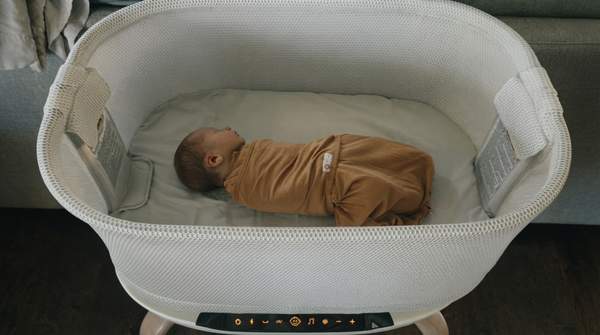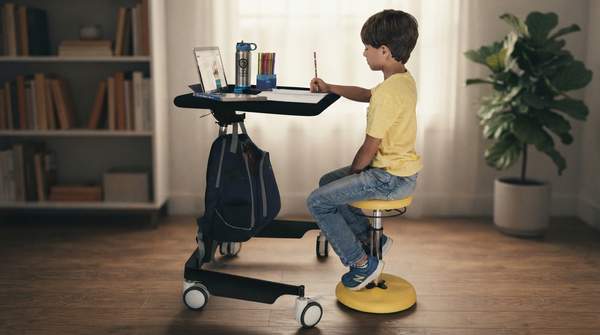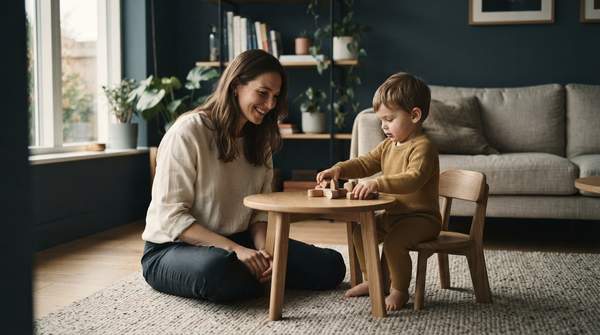
The best children's furniture today is judged on three principles: how well it integrates with your home's aesthetic, how long it stays functional as your child grows, and whether its materials are sustainable and non-toxic. That is the shift design-conscious parents have made—away from themed, disposable pieces and toward furniture that holds its own in a grown-up interior. In my experience, the pieces that survive a family's hardest years are the ones that would still look right in a living room. This article turns that observation into a reusable evaluation framework, then maps the specific trends—convertible cribs, integrated play elements, chunky rounded forms—that embody each principle.
The Evolving Landscape of Children's Furniture Design
Furniture for kids is becoming more grown-up. When a Basel-based creative director posted a photo of her custom USM changing table on Instagram earlier this year, it drew thousands of admiring comments—a signal, as reported by The New York Times, of a growing appetite for children's furniture that carries the same design values as adult furniture. The children's room is no longer treated as a separate stylistic universe.
Designers describe the change in explicit terms. "Back in the day, people would be like, 'I want a hot-air balloon theme,'" says one designer quoted by Business of Home. "We don't do themes anymore." Instead, parents want rooms that are "whimsical, but also elevated—something that matches the aesthetic of their home, but also feels like it's fun, because it's for children." The result is a market where the same piece may serve a nursery, a schoolchild's room, and eventually a first apartment.
Underneath the aesthetics sits a parallel shift in values. Writing for ecoBirdy, a children's design brand, on the industry's trajectory, the analysis is blunt: sustainability, alongside cognitive development, material safety and functional longevity, "is no longer a bonus feature. It is an expectation." The three principles below capture both shifts at once.