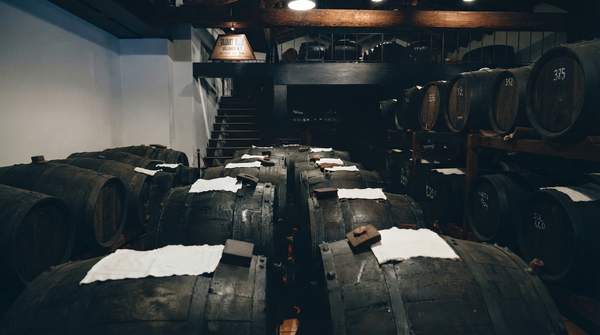
The single most useful thing a home cook can know about artisanal vinegar is that how it was made largely determines how it tastes. Slow fermentation—the patient, traditional path—yields vinegars with fuller, more complex flavor; rapid fermentation, which can finish in as little as one to three days, produces a cleaner, more direct acidity. Add wood aging to the equation and the character deepens further. Understanding these two levers, speed and aging, turns a confusing shelf of bottles into a simple decision framework.
The Art of Acidity: Understanding Artisanal Vinegar Production
Every vinegar begins the same way: acetic acid bacteria convert the alcohol of a base liquid—wine, cider, grain mash—into acid. What separates one bottle from another is not the chemistry itself but the conditions under which it unfolds. Food-science references classify production into two broad families: slow methods, anchored by the traditional Orleans process in wood casks, and rapid methods, including the generator system and submerged fermentation, which rely on forced aeration to accelerate conversion.
NC State Extension's guide to vinegar making places the Orleans process squarely in the slow category and associates it with "better flavor of vinegar," while grouping the generator and submerged systems under rapid production. A UC Davis food-safety review similarly traces the spectrum from traditional wood-cask and surface-culture methods to submerged fermentation, noting that industrial-scale demand drove the development of the faster systems. The distinction, in other words, is not merely technical jargon; it is the dividing line between two different flavor philosophies.